Frequently asked questions
What are the best vegetables to grow in New York's climate?
New York's climate presents unique challenges for vegetable gardening, but with careful planning, you can grow a variety of crops. Some of the best vegetables to grow in New York include: Tomatoes: Choose varieties that are well-suited to cooler temperatures, such as Early Girl or Sungold. Peppers: Bell peppers and hot peppers both thrive in New York's climate. Lettuce: Leafy greens like lettuce are perfect for early spring and late fall planting. Carrots: Root vegetables like carrots do well in the cooler temperatures of New York.
When is the best time to plant vegetables in New York?
The best time to plant vegetables in New York varies depending on the crop and the specific region within the state. However, as a general rule: For cool-season crops like lettuce, peas, and spinach, plant in early spring as soon as the ground can be worked. These vegetables can also be planted again in late summer for a fall harvest. Warm-season crops like tomatoes, peppers, and cucumbers should be planted after the last frost date, typically in late May or early June. These vegetables need warm soil and temperatures to thrive.
What are some tips for successful vegetable gardening in New York?
Successful vegetable gardening in New York requires careful planning and attention to detail. Here are some tips to help you grow a thriving garden: Choose varieties that are well-suited to New York's climate and growing conditions. Plant vegetables in well-drained soil that has been enriched with compost or other organic matter. Monitor moisture levels carefully, as New York's climate can be unpredictable. Water regularly, especially during dry spells. Protect young plants from pests and diseases by using row covers or other physical barriers.
Can I grow vegetables in New York if I don't have a backyard?
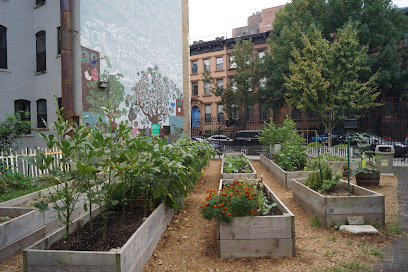
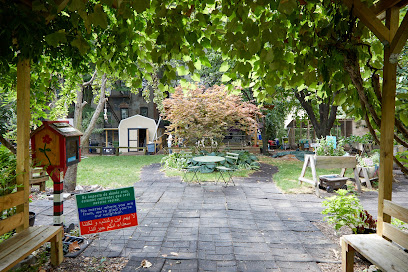
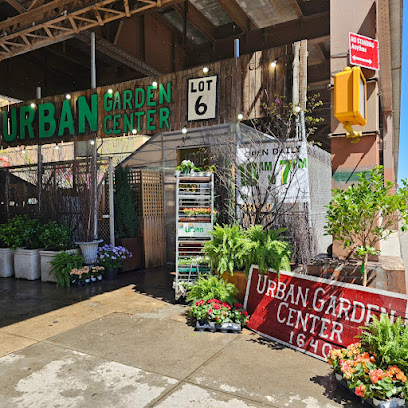
Yes, you can still grow vegetables in New York even if you don't have a backyard. There are several options for urban gardeners: Container gardening: Many vegetables can be successfully grown in containers on balconies, patios, or rooftops. Community gardens: Joining a community garden in your neighborhood can provide you with a space to grow vegetables if you don't have a backyard of your own. Windowsill gardening: Herbs, lettuce, and other small vegetables can be grown on a sunny windowsill indoors.
 #1
#1